Blog

Protecting the asset properly: layered defence and vulnerability-led planning

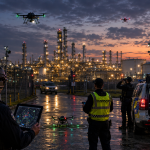
In the previous articles in this series, the focus has been on planning, understanding the environment, and positioning capability effectively within it. The next step is to understand what is actually being protected and why not all parts of a site or operation carry the same consequences. This is where Counter-UAS planning needs to move […]

Putting sensors, trackers and effectors where they work

Putting sensors, trackers and effectors where they work In the previous articles in this series, the focus has been on why Counter-UAS capability starts with planning, and how terrain, structures and environment shape the problem. The next step is turning that understanding into practical deployment decisions. This is where many Counter-UAS approaches begin to break […]

Terrain, dead ground, and drone threat routes: understanding the battlespace properly

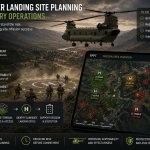
In our previous article, the focus was on why Counter-UAS capability starts with planning rather than equipment. The next step is understanding what that planning is actually based on. At the centre of any effective Counter-UAS assessment is a clear understanding of the physical environment. Terrain, structures, vegetation, and infrastructure do not just form the […]

Why Counter-UAS planning starts before the first sensor is deployed

In this new series of blogs, the focus will be on Counter-UAS and UAS planning, specifically the crucial roles that spatial analysis and informed planning play in building effective Counter-UAS assessments and deployments. Across policing, defence, security and critical national infrastructure, the drone threat is now well understood. What is less consistent is the quality […]

FPPT: Putting Sensors Where They Work

Optimising Counter-UAS and Sensor Suites with FPPT  Counter-UAS capability is often discussed in terms of technology. New radars, better cameras, smarter effectors. In practice, most failures in counter-UAS operations are not caused by poor equipment, but by poor placement. Sensors that cannot see, systems that do not overlap, and defences that look robust on paper […]